
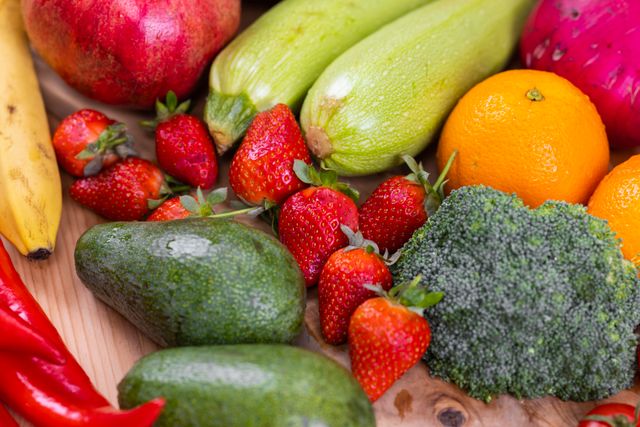
Healthy eating is not reserved for athletes, nutrition experts, or people following strict diets. Good nutrition is for children, adults, older people, busy workers, students, and families alike. Eating well does not mean buying expensive foods or eliminating every favourite treat. Instead, it means making informed choices that support energy, health, and overall wellbeing.
A balanced approach to food can help people feel stronger, maintain a healthy weight, support immunity, and reduce the risk of chronic disease. Small, practical changes often make the biggest difference. By focusing on nutritious foods, staying hydrated, and enjoying treats in moderation, healthy eating can become a sustainable lifestyle for everyone.
The Value of Everyday Whole Foods
Whole foods form the foundation of a healthy diet. Fruits, vegetables, whole grains, legumes, nuts, seeds, lean proteins, and healthy fats provide essential nutrients that the body needs to function properly.
Rather than seeking quick fixes or fad diets, people benefit most from regularly eating a variety of minimally processed foods. Different foods provide different vitamins, minerals, antioxidants, and fibre, making dietary variety especially important.
Healthy eating does not have to be complicated. Filling half the plate with vegetables and fruit, including a source of protein, and choosing whole grains whenever possible are practical strategies that work for most people.
Ginger: A Small Root with Impressive Benefits
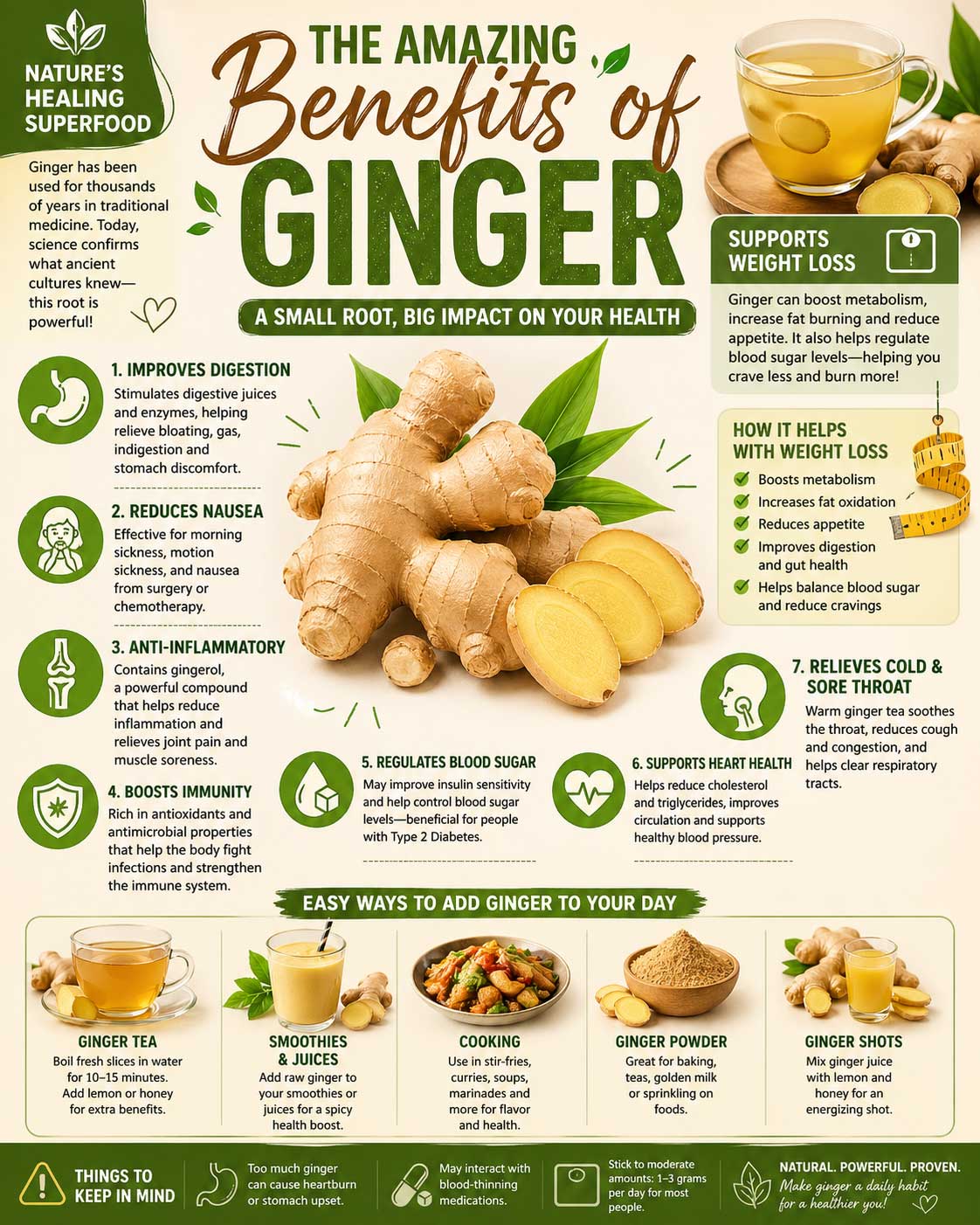
Ginger has been used for centuries in cooking and traditional medicine. This aromatic root is valued for both its flavour and its potential health benefits.
Research suggests that ginger may help reduce nausea, particularly nausea related to motion sickness, pregnancy, or some medical treatments. Ginger also contains compounds with anti-inflammatory properties, which may support overall health.
Many people enjoy ginger in tea, smoothies, stir-fries, soups, or as a seasoning in everyday cooking. Fresh ginger can be grated into meals, while ground ginger can be added to baked goods or hot drinks.
Although ginger can be a useful addition to a healthy diet, it should be viewed as one part of an overall balanced eating pattern rather than a cure-all. Regular consumption of a variety of nutritious foods remains the most important factor in maintaining health.
Supporting Energy Through Iron-Rich Foods
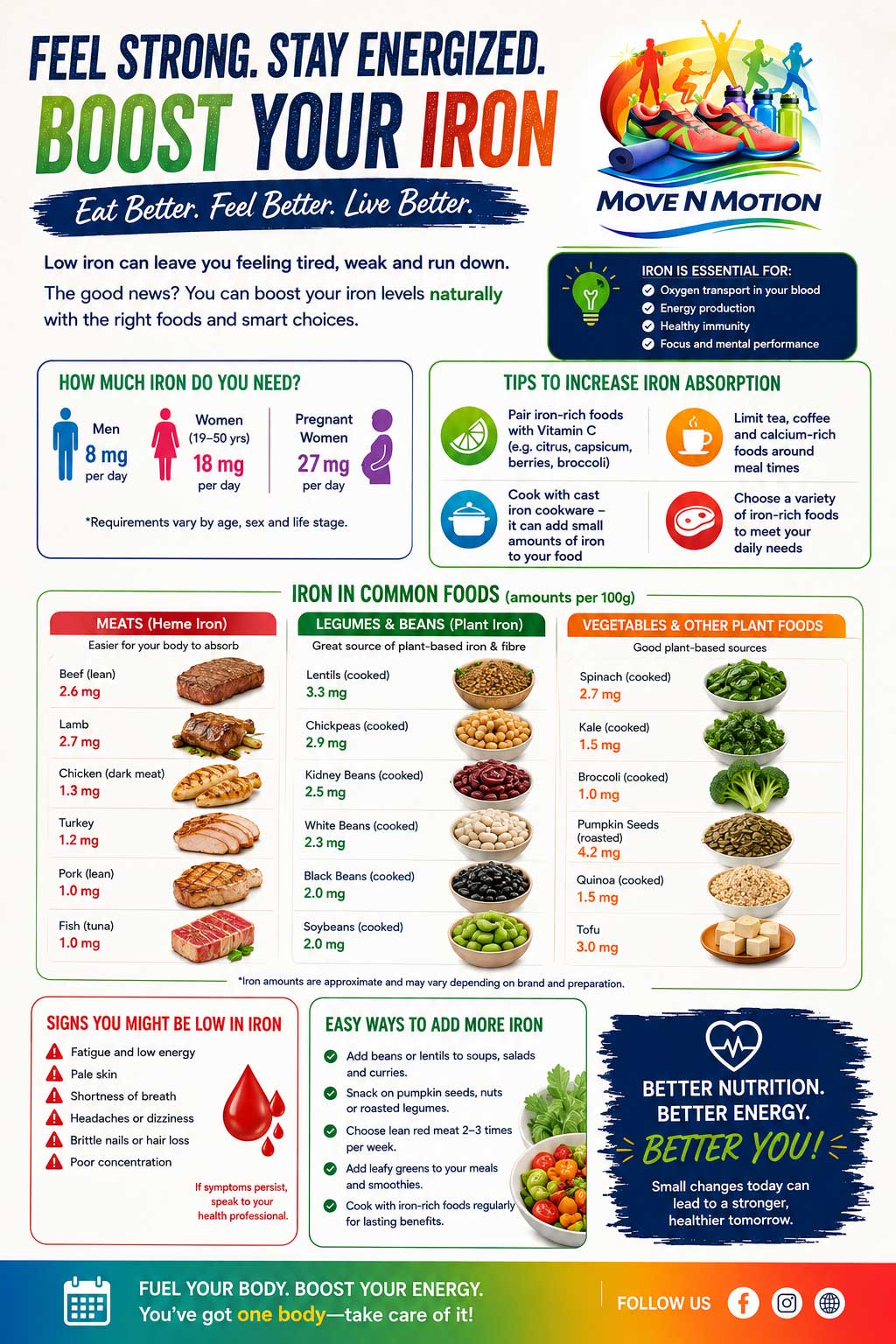
Iron is an essential mineral that helps transport oxygen throughout the body. Without enough iron, people may experience fatigue, weakness, poor concentration, and reduced physical performance.
Iron requirements vary depending on age, sex, and life stage. Women of childbearing age often require more iron than men, and pregnant women have particularly increased needs.
Good dietary sources of iron include:
- Lean red meat
- Poultry
- Seafood
- Eggs
- Legumes such as lentils and beans
- Tofu
- Nuts and seeds
- Dark leafy greens
- Iron-fortified cereals
Animal-based foods contain haem iron, which is generally absorbed more efficiently by the body. Plant foods provide non-haem iron, which can still contribute significantly to iron intake when consumed regularly.
People concerned about iron deficiency should seek professional medical advice, especially if they experience persistent symptoms or have been diagnosed with low iron levels.
Vitamin C and a Strong Immune System
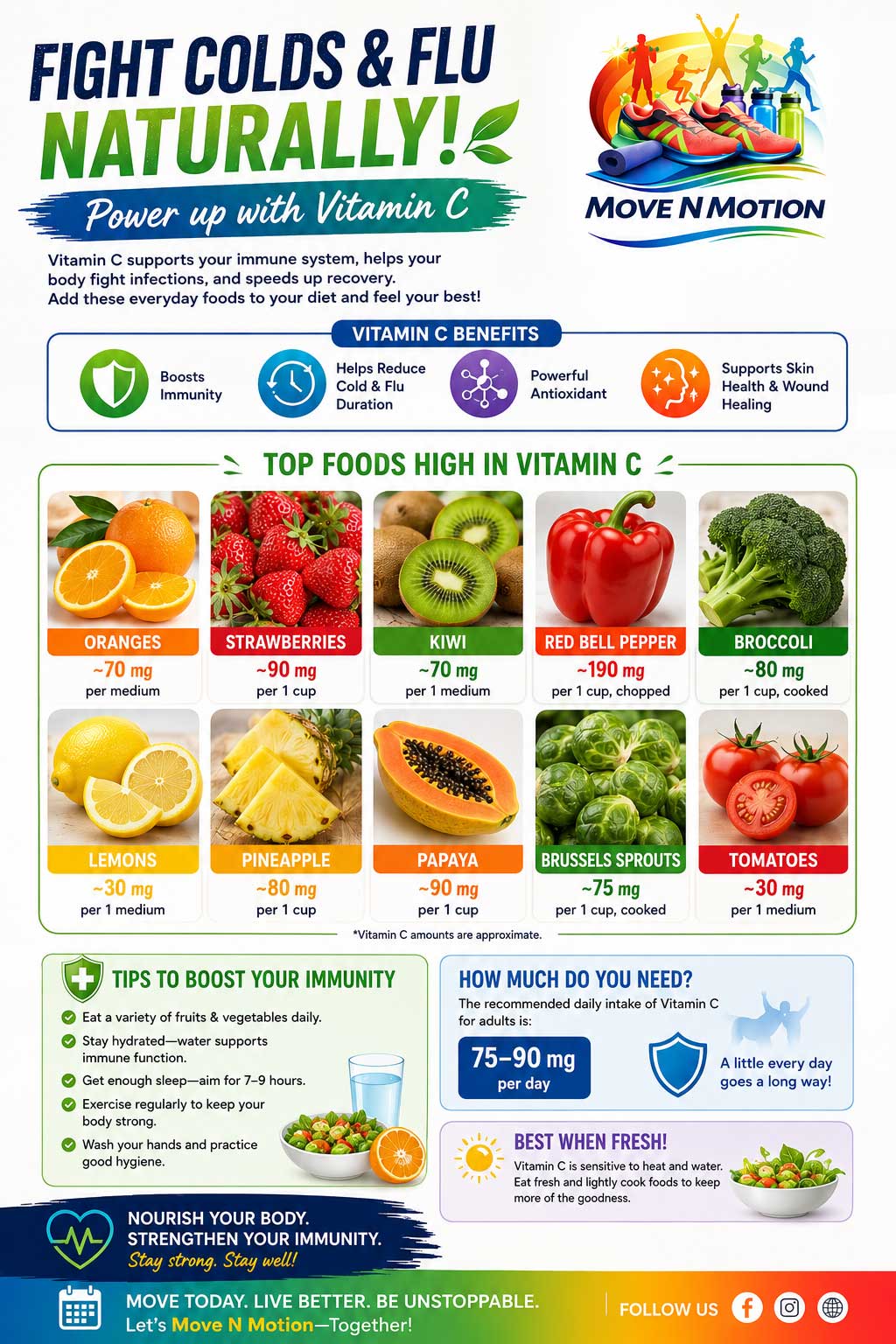
Vitamin C plays many important roles in the body. It supports immune function, contributes to collagen production, aids wound healing, and helps improve the absorption of non-haem iron from plant foods.
A wide range of fruits and vegetables provide vitamin C. Excellent sources include oranges, strawberries, kiwi fruit, capsicum, broccoli, tomatoes, papaya, pineapple, and Brussels sprouts.
Eating colourful produce throughout the day is an effective way to meet vitamin C requirements. Fresh fruits make convenient snacks, while vegetables can easily be incorporated into lunches and dinners.
Although vitamin C supports normal immune function, no single nutrient can completely prevent illness. A strong immune system depends on multiple lifestyle factors, including adequate sleep, regular physical activity, stress management, and a balanced diet rich in diverse nutrients.
Choosing Smarter Drinks for Lasting Energy
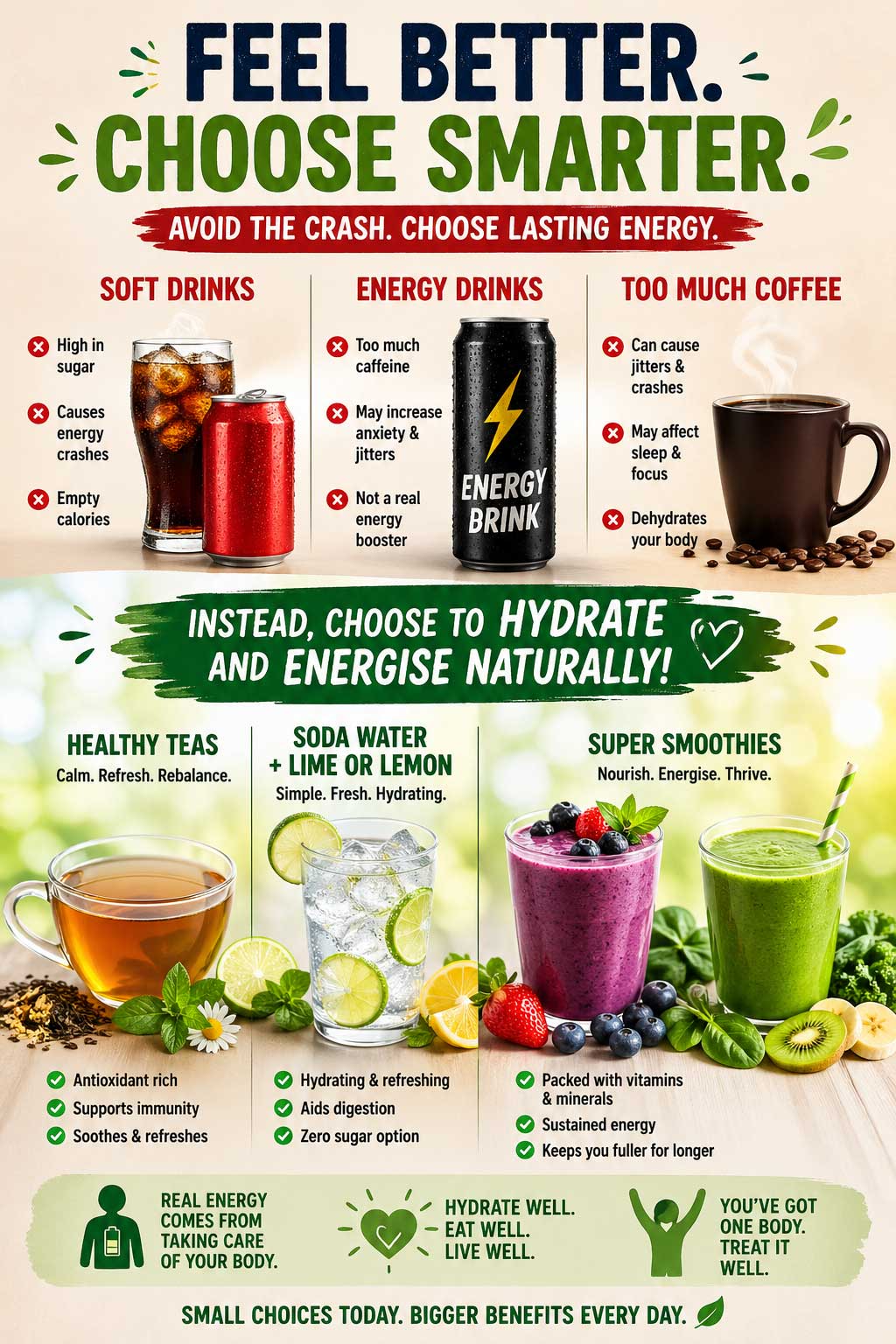
Many people rely on soft drinks, highly caffeinated beverages, or excessive amounts of coffee to fight fatigue. While these drinks may provide a temporary boost, they can also contribute to energy crashes, excessive sugar intake, and disrupted sleep patterns.
Hydration is fundamental to good health. Even mild dehydration can affect concentration, mood, and physical performance.
Healthier beverage choices include:
- Water
- Sparkling water with lemon or lime
- Herbal teas
- Milk
- Unsweetened tea
- Fruit and vegetable smoothies made with nutritious ingredients
Smoothies can provide vitamins, minerals, and fibre when prepared with whole fruits, vegetables, yoghurt, milk, or other nutritious foods. However, portion size still matters, and smoothies should complement rather than replace balanced meals.
Coffee can certainly be part of a healthy diet for many adults when consumed in moderation. The key is avoiding excessive intake and limiting added sugars and high-calorie flavourings.
Enjoying Sweet Treats in a Healthier Way
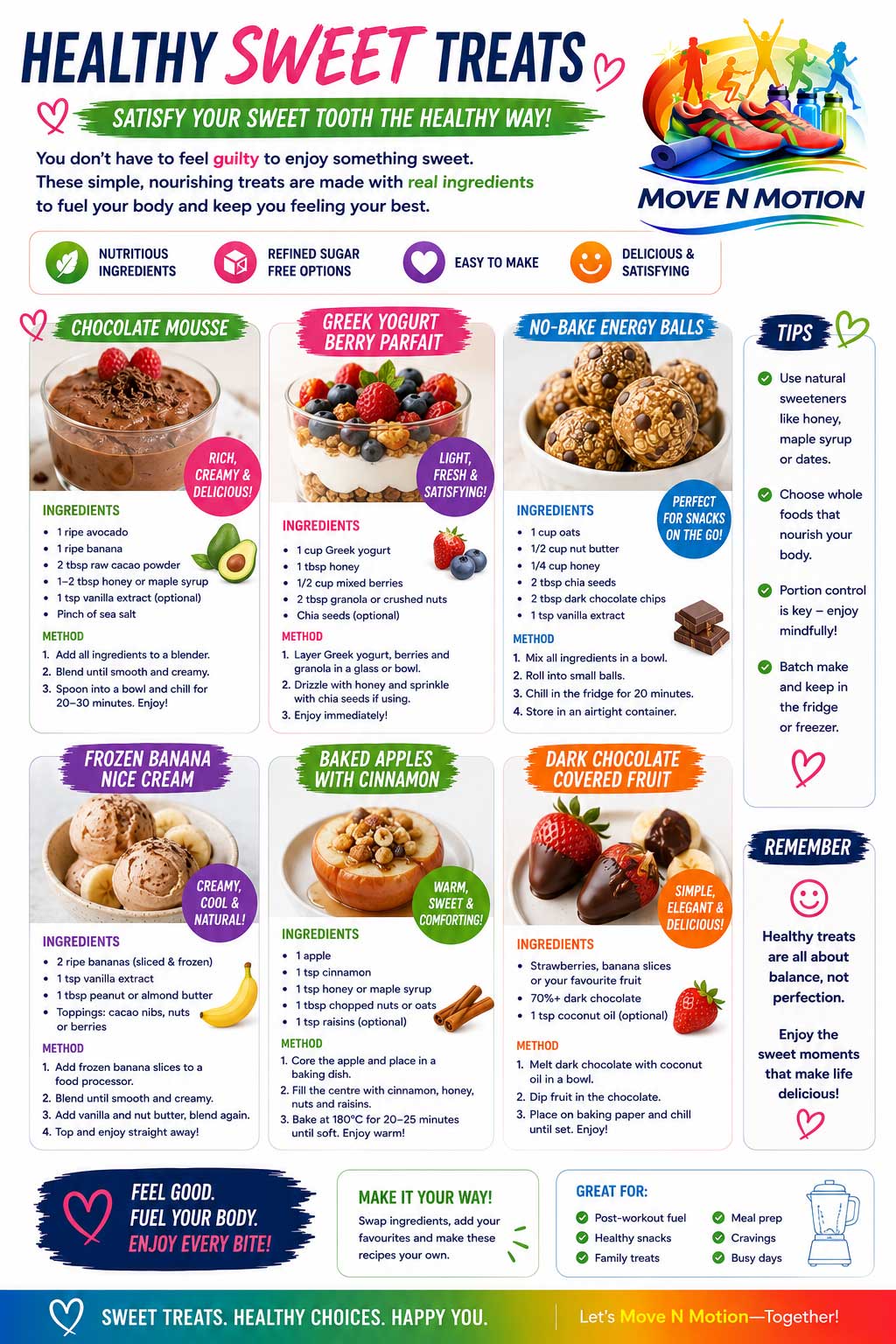
Healthy eating does not require eliminating desserts. Completely restricting favourite foods can make healthy habits difficult to maintain over time.
Instead, many traditional desserts can be prepared with more nutritious ingredients. Fruit-based desserts, yoghurt parfaits, baked apples with cinnamon, and homemade energy bites are examples of satisfying options.
Using ingredients such as oats, nuts, seeds, fresh fruit, and yoghurt can increase the nutritional value of sweet foods. Natural sweetness from fruit may also reduce the need for large amounts of added sugar.
Chocolate can still be enjoyed as part of a balanced diet. Portion awareness is important, and pairing small amounts of chocolate with nutrient-rich foods such as fruit can help create a more balanced snack.
The goal is not perfection but moderation. Occasional indulgences can fit comfortably within an overall healthy eating pattern.
Building Lifelong Healthy Habits
Healthy eating is for everyone because everyone benefits from nourishing their body. Simple actions such as eating more vegetables, including iron-rich foods, consuming vitamin C-rich produce, choosing hydrating drinks, and preparing balanced treats can improve overall wellbeing.
Sustainable nutrition is built on consistency rather than strict rules. Small, realistic changes made over time often lead to lasting results. By focusing on variety, moderation, and enjoyment, healthy eating can become an accessible and rewarding part of everyday life for people of all ages.